



Microchip for cats and dogs: its importance, method of installation, and conditions for international travel
If you have a cat or a dog, you have surely heard about the microchip or the electronic chip, and most likely the CV came to you while you were preparing to travel outside Egypt. But the truth is that the SIM card is not only for travel. This may also be the reason that you can return your animal if it is lost, and it makes it easier to prove its identity and link it to its veterinary record.
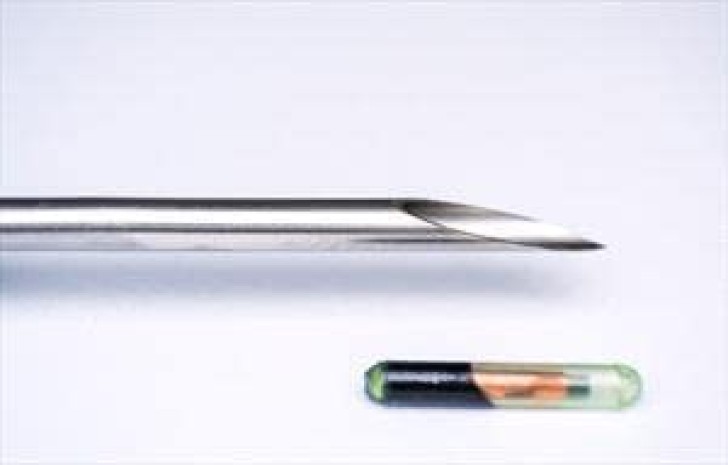
A microchip is a very small capsule, approximately the size of a grain of rice, that is placed under the animal's skin and has its own unique identification number. This number is linked to its owner’s data and the method of contacting him, and clinics and airports rely on it to confirm that the animal in front of them is him.
In this article, we will explain how the SIM card works, what is the difference between it and GPS tracking devices, whether installation is painful or not, and what you should review before relying on it for travel papers.
🐾 Do you need to install a microchip for your animal or check the chip on it?
inKnightWe have electronic chips that conform to international identification standards (15 numbers), and we install them and examine them with a special reading device, whether in the clinic or with a vet visit to your home. We will also review the SIM data and vaccination dates with you as part of preparing travel papers.
Contact us to book a microchip installation via WhatsApp 🟢
Contents of the article
- 1. The microchip is not a GPS.. How does it work?
- 2. Why is the microchip important when cats and dogs travel?
- 3. Is it painful to install the microchip? Can it move from its place?
- 4. What is the benefit of the SIM card if you do not intend to travel?
- 5. Things you must make sure of when installing the chip
- 6. Frequently asked questions about microchips
1. The microchip is not a GPS.. How does it work?
The first thing you need to know: The microchip is not a tracking device. This means that if your cat left the house or your dog left you, you will not open the mobile phone and see it on the map. The chip does not have a battery, and it does not continuously track the animal's location or any signal.
All it does is carry an electronic animal identification number. This number is read by a device called a scanner. The veterinarian or quarantine employee passes it over the animal’s body, and the chip number appears on the screen.
The whole idea is based on a technology called RFID, which means radio frequency identification. Without a battery, the reader itself is the one that motivates her and makes her display the number registered on her.
Chips compatible with the ISO 11784/11785 standard usually have a 15-digit number. This number is registered in a database with the name of the animal owner, his phone number, and contact information, and is also used to match his veterinary papers.
Conclusion: The microchip tells you who this animal is, but it does not say where it is. If you want to know his location at any time, you will need a separate GPS device.
2. Why is the microchip important when cats and dogs travel?
When you travel with your cat or dog outside Egypt, it is not enough to have a veterinary passport and a vaccination certificate. Veterinary authorities in many countries want a reliable way to confirm that the animal standing in front of them is the same as what is written on the papers.
And here comes the role of the microchip. Its number is fixed, and it matches the number written in the passport and the required certificates and vaccinations.
There are two points that you should take into consideration before any travel:
The first: the type of chip and its specifications.
Not any microchip is necessarily suitable for international travel. Many countries require a chip compatible with the ISO 11784/11785 standard, and this number is usually 15 digits long. But the number of numbers alone is not enough to control; You must also make sure of the technical standard of the chip, and that devices in the country of arrival can read it.
If your animal's chip is old or you are not sure of its specifications, it is best to check it with a suitable reading device before you begin any procedure. In some cases, if the chip is not compatible with reading devices in the country, they may ask you to provide an alternative reader according to the instructions of the competent authority.
Second: The timing of installing the chip in relation to the rabies vaccination.
This is one of the most important points, and many people overlook it. In many travel destinations, the animal must be microchipped before the approved travel vaccination or on the same day of the vaccination, in order for the vaccination to be accepted in the travel file.
But if the animal received the vaccination before the chip, this does not mean that the vaccination is automatically canceled in all cases. Admission depends on the regulations of the country of arrival, the date of vaccination, the date of installation of the chip, and the papers you have with you. There are countries that may ask you to re-vaccinate after the slide and wait the specified period before travelling.
That's why, if your dog or cat has been taking the rabies for a while and still doesn't have a microchip on them, don't rush through travel procedures before checking the conditions of the country you're going to.
The chip number is also included in the animal’s data inside travel documents, such as the export certificate issued fromVeterinary quarantine at Cairo AirportEntry permits for some countries, such asPermission to import pets through the Saudi Nama platform.
If you are still in the process of preparing the papers, you can also look atGuide to extracting and clearing travel papers for dogs and cats in EgyptTo know the rest of the steps.
3. Is it painful to install the microchip? Can the chip move from its place?
Installing a microchip is relatively simple, and does not usually require an anesthetic or any surgical intervention. The chip has a special sterile needle inside it, and the veterinarian injects it under the skin, usually in the area between the shoulder blades.
The sensation at the time is similar to a normal injection. The animal may feel a prick or feel discomfort for a few seconds, and most animals' aggression is normal. But sometimes a slight pain appears at the injection site or a slight swelling for a short period afterward.
The chip itself is covered with a glass cover that is compatible with the body, which reduces the possibility of the body reacting to it or rejecting it.
Is it possible for the chip to move after installation?
Yes, this can happen in some cases. It is true that the design of the flap allows the tissue to hold it in place, but sometimes it moves a small distance under the skin over time. That's why don't just check one place when you read the slide.
The best thing is for the doctor to scan the animal’s body with the reading device in the correct way, and make sure that the number appears clear. It is preferable to repeat this test well before traveling, especially if the SIM card has been installed for a long time.
🩺 Installed a SIM card before and don't know if it is working?
If you bought a cat or dog and it already had a microchip on it, or you installed the SIM card years ago and you are not sure that it is still being read, we can check it for you with a multi-frequency reader, and review its number with the information written in the passport before you begin the travel procedures.
Contact us to book a slide scan and paper review 🔵
4. What is the benefit of the SIM card if you do not intend to travel?
You may not be thinking about traveling right now, but that does not diminish the importance of the microchip for your pet.
Imagine that your cat left the house and did not return, or that your dog got lost while you were walking with it. The collar with your phone number may fall or break, but the chip is located under the skin and does not come off easily.
If someone finds the animal and takes it to a veterinary clinic or animal shelter that has a reading device, they will know that it has a chip on it and get its number. If the number is registered with correct contact information in an available database, there is a real chance they will reach you.
Also, having a fixed number helps document the animal’s identity and link its veterinary data to its file, and this may help you if it gets lost or there is a dispute over its identity. But keep in mind that the SIM card alone is not conclusive legal proof of ownership in all circumstances.
The most important thing is after you install it: register the number in your name, and enter a working phone number and correct contact information. If you change your number or address after that, update the data in the registration database.
5. Things you must make sure of when installing the chip
Before you finish your clinic visit, there are a few simple but very important details. If you return to them on the same day, you will save yourself time and money, especially if a problem arises while you are in the process of preparing travel papers.
- Check the chip before and after installation:Ask the doctor to read the SIM while it is still in the sterile package to make sure it is working, and after installation, the device runs over it again and makes sure that the number appears correct.
- See chip number:Verify the registered number, and that the SIM card meets the standard required for travel. In common ISO chips, the identification number is 15 digits long.
- Register the number in your veterinary passport:The chip number must be clearly written in the field designated for it in the vaccination booklet or veterinary passport, along with the date of installation, the doctor’s information, and the clinic’s stamp, according to the approved documents.
- Keep barcode stickers with you:The SIM card usually comes with a number on which the identification number is stuck. Keep them in a safe place and use them on any paper that needs the number, instead of writing it by hand each time.
- Record the animal owner’s information:Make sure that the SIM number is linked to correct contact information in the database used, and that you know how to update it if your phone number changes.
- See the order of vaccinations:If your goal is to travel, sit with the doctor and review the date the SIM was installed along with the date of the rabies vaccination, and make sure that the dates are correct with the conditions of the country of arrival.
6. Frequently asked questions about microchips for cats and dogs
Q: What is the appropriate age to install microchips for cats and dogs?
A: There is no single age that is mandatory for all animals and all situations. It can be installed while it is still young, according to the veterinarian’s evaluation and the manufacturer’s instructions. But if your goal is to travel, plan to ride it before the approved travel fare vaccination or on the same day, and take into account the conditions of the country you are going to.
Q: Does the chip weigh at the airport security gates or is it affected by radiation?
A: No, the microchip is neither a transmitter nor a tracking device, and it is not designed to raise an alarm at metal detection gates. As for the inspection itself, it varies from airport to airport and from one airline to another, and they may ask to scan the animal with a chip reader in order to confirm its identity. It is best to follow the instructions of the security and veterinary quarantine staff at the airport.
Q: If I change my phone number or sell the dog, do I have to remove the SIM card and install another one?
A: No, do not remove anything and do not install a new one. The identification number itself is fixed, and what changes is the registration data linked to it. You can update your phone number or contact information from the database on which the chip is registered, and if ownership is transferred, you must update the information of the animal owner, and change the veterinary passport if necessary.
Q: Can the microchip stop and stop working?
A: It is designed to operate for many years without a battery, but like any electronic thing, it is possible in rare cases that there will be a problem with reading or identifying it. That's why it's best to check it every once in a while, especially before traveling, and make sure that the device displays the number clearly.
Q: Is the microchip installation sufficient for me to travel with my cat or dog?
A: No, the microchip is an important step in preparation, but not all travel procedures. You may need a valid rabies vaccination, a rabies antibody test according to the country, a health certificate, and an import permit or additional papers. Conditions vary from one country to another, so review the requirements of your destination before setting a travel date.
Contact Alfares Pets team
If you are preparing your cat or dog for travel, or want to make sure that the microchip on it is working and its data matches the passport, the Al Fares team can help you in examining and reviewing the papers and arranging the required steps before traveling.
📞 Mobile/WhatsApp: +20 102 224 2946|🌐 Official website: alfares-pets.com